Author: KL

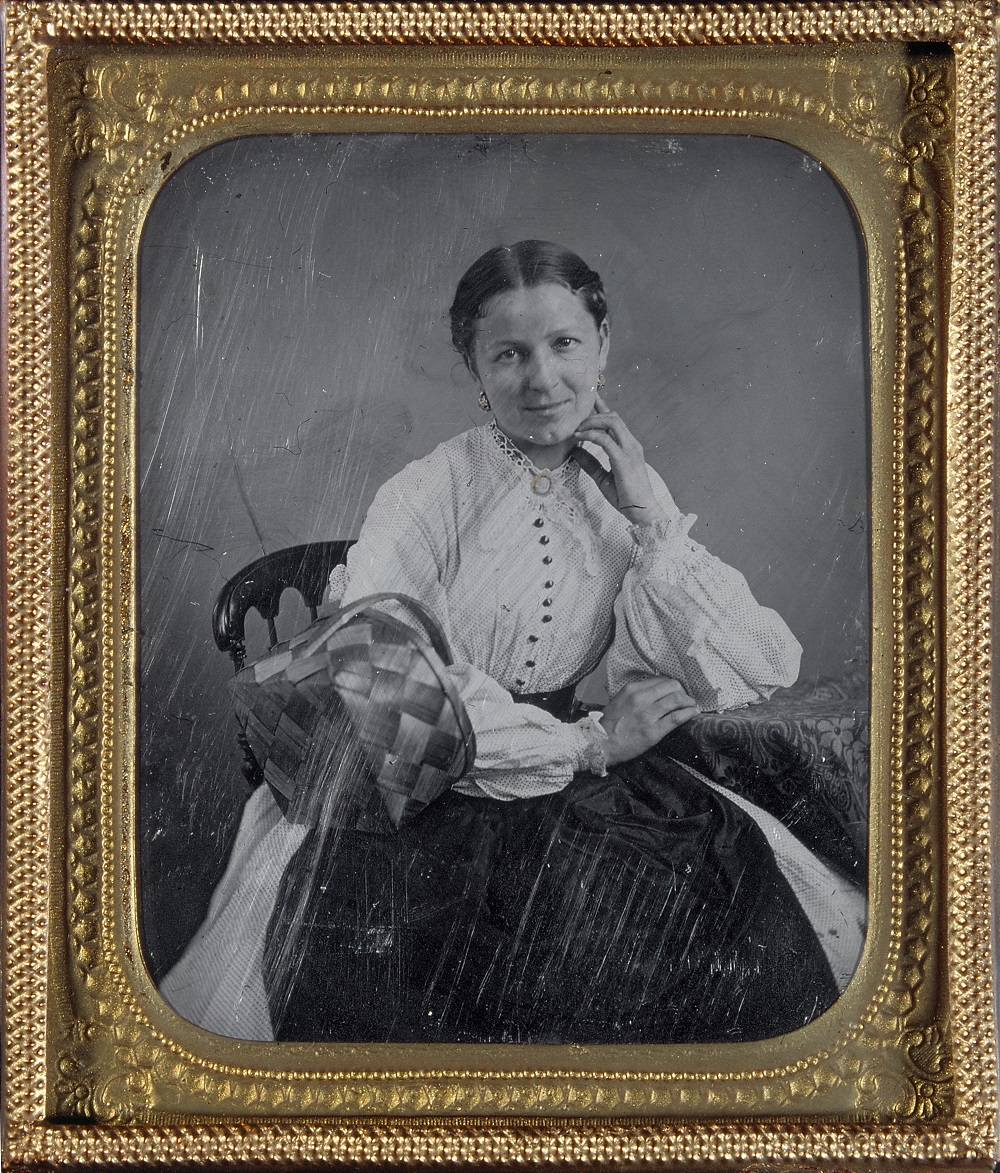
  • Women’s Work Aprons of the 1840s and 1850s shown in photos. A Reference.

    Women’s Work Aprons of the 1840s and 1850s shown in photos. A Reference.

    Early Photographic Images of American Women Wearing Aprons

    Curious to understand how aprons were constructed and worn by American women in the mid-1800s, I have collected some example photographs and references. The second quarter of the 19th century – roughly 1830 to 1855 – interests me the most.

    Following the earlier Regency fashions and preceding the hoop skirts and bustles later in the century, this pioneering era at the leading edge of the industrial revolution seems to be underappreciated by modern students of fashion history. In the mid-19th century, the aprons worn by working women were often of the “half-apron” style with the strings made long enough to wrap around and tie in the front. Smocks and over-shirts were worn over clothing as well, especially by men and boys. Pinafore type aprons also can be seen in use in this era.

    (more…)
  • What is Apple Butter? Part 2: History, Evolution, & the Making of a Beloved Pantry Staple

    What is Apple Butter? Part 2: History, Evolution, & the Making of a Beloved Pantry Staple


    If you haven’t read What is Apple Butter? Part 1, I recommend you start there.

    In Part 1, we talked about the essence of the substance, what apple butter is and how it is made. Now, it’s time to look into where apple butter came from and how it remains relevant today. No matter where you begin, I welcome you to explore with me the down-home culinary delight that is apple butter.


    History of Apple Butter

    Where Does Apple Butter Originate?

    Like American sunbonnets, the history of apple butter can be challenging to research because of the homespun nature of the product. Families, like my own, have passed down the methods mostly informally from generation to generation. But, with some effort, we can find evidence of the roots of apple butter in humble, tucked-away places.

    (more…)
  • What is Apple Butter? Part 1: Ordinary Abundance & Comfort in a Jar

    What is Apple Butter? Part 1: Ordinary Abundance & Comfort in a Jar


    Apple Butter: My Family’s Beloved Historic Tradition

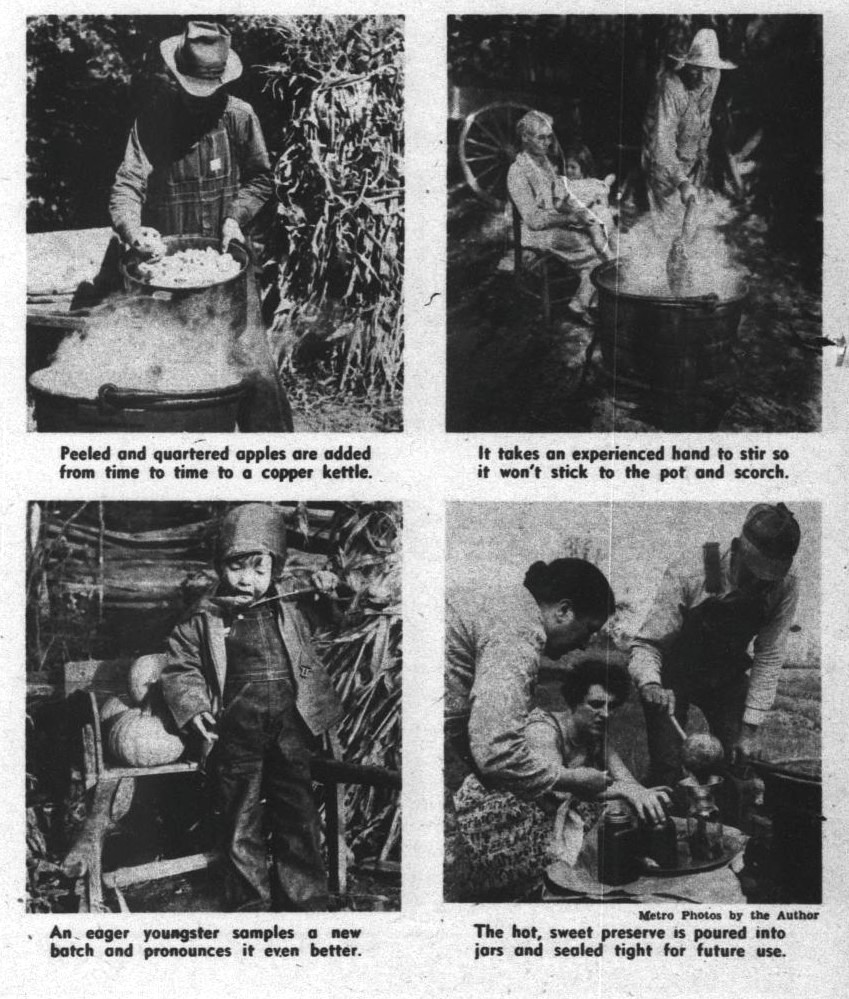
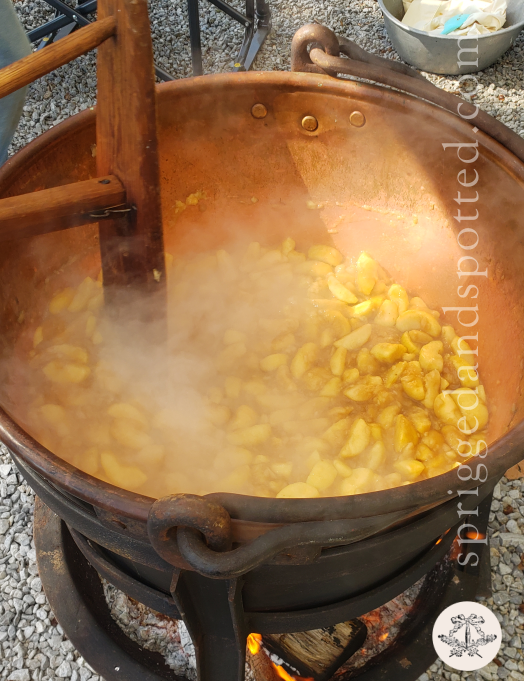
    I can speak with some authority on the subject of apple butter. I am part of the 5th generation (at minimum) in my family to carry on making the stuff the old fashioned way. My grandfather recorded memories of making apple butter with his grandmother in the 1930’s, and making apple butter the same way our ancestors have made it in centuries past is a prized part of my family’s culture. To me, apple butter is made gallons at a time in a copper kettle (a 2 ft or larger diameter pot) over an open fire using a 19th century style method which was conveyed by word of mouth until it was recorded on paper by my late grandmother in the 1990s.

    (more…)
  • Tools and Trade Offs: Keeping Artificial Intelligence in its Proper Place [Creating without AI]

    Tools and Trade Offs: Keeping Artificial Intelligence in its Proper Place [Creating without AI]

    Artificial intelligence is NOT used to write this blog.

    Valuing the Process

    Sometimes a thing worth doing… is worth doing the slow, handmade way. This blog is one of those things. I do not use any chatbots or other AI tools to formulate ideas or craft my sentences. Such shortcuts would completely miss the point.

    This blog demonstrates a track record of valuing slow creative endeavors.

    I run on lots of coffee (usually the drip kind with a little half & half and sugar) and the wonder of discovery. Throughout my life, I have reveled in creative work that takes time and thoughtfulness. Although this website shares just a tiny taste of my lifetime of projects, several examples of my deliberative, attentive endeavors (and writing about them) currently exist as blog posts as on this very platform:

    (more…)
  • The Art of the Pinking Iron: A Historic Object Study

    The Art of the Pinking Iron: A Historic Object Study

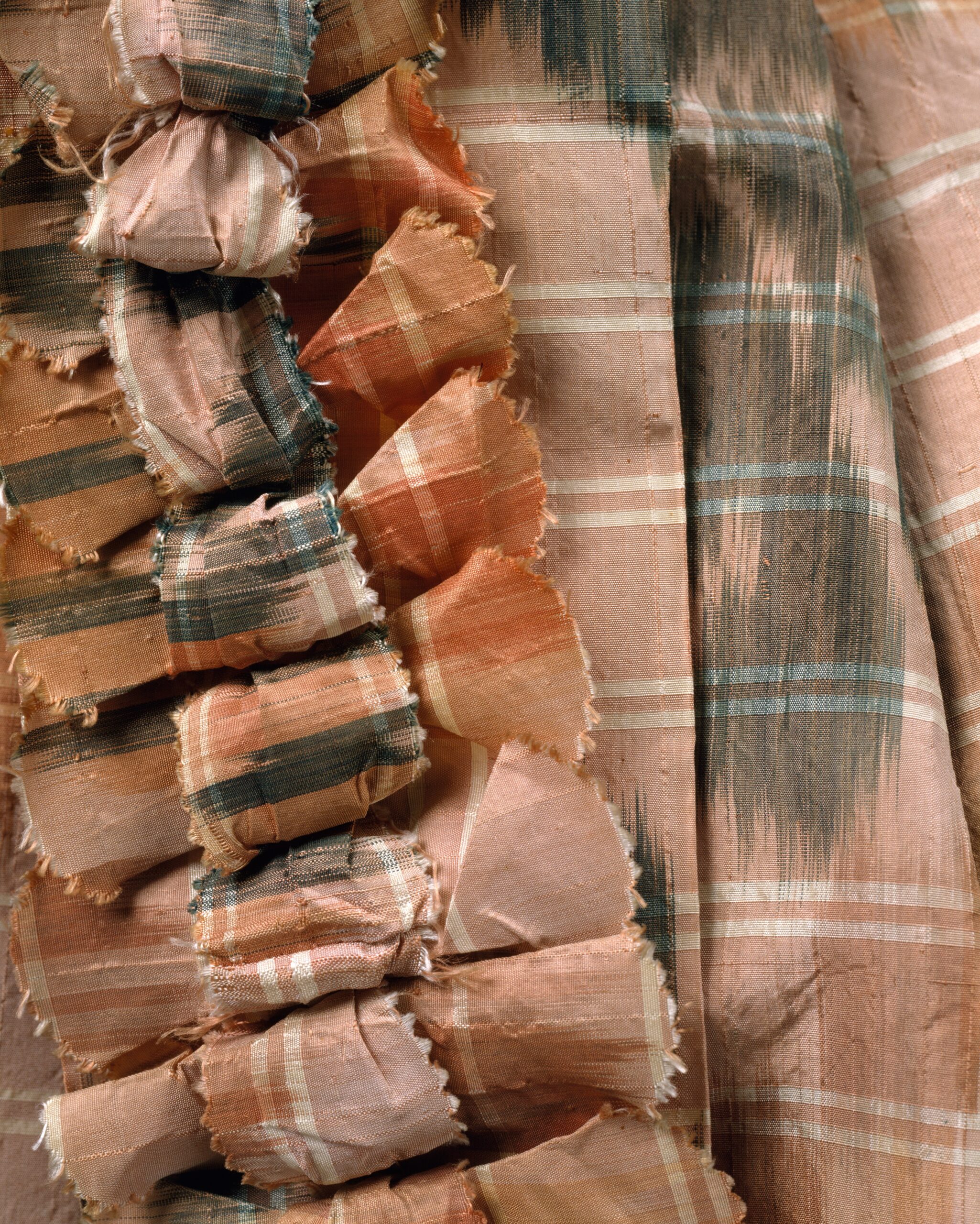
    An examination of pinking irons shows us how swings of a mallet can turn strips of cloth into beautiful adornments.

    Clothing is important to all of us.

    We all are keenly aware that apparel is not merely functional (protects our body), but serves as a vehicle for communicating with the world around us.

    What does your clothing say about your social class? What does it say about your awareness of style trends? What “words” does it use to communicate the message?

    Perhaps it’s the way the garment is cut, how it hangs on your frame. The condition of the fabric, whether shabby or pristine, can make an impression. Do your clothes create a silhouette that is also favored by influential people? Does it let you blend seamlessly in with the crowd? Can the item be washed over and over and remain in good shape, or does it require costly care and maintenance? How rare and laborious to make are the materials and embellishments?

    (more…)