Category: Historical Lifeways

  • What is Apple Butter? Part 2: History, Evolution, & the Making of a Beloved Pantry Staple

    What is Apple Butter? Part 2: History, Evolution, & the Making of a Beloved Pantry Staple


    If you haven’t read What is Apple Butter? Part 1, I recommend you start there.

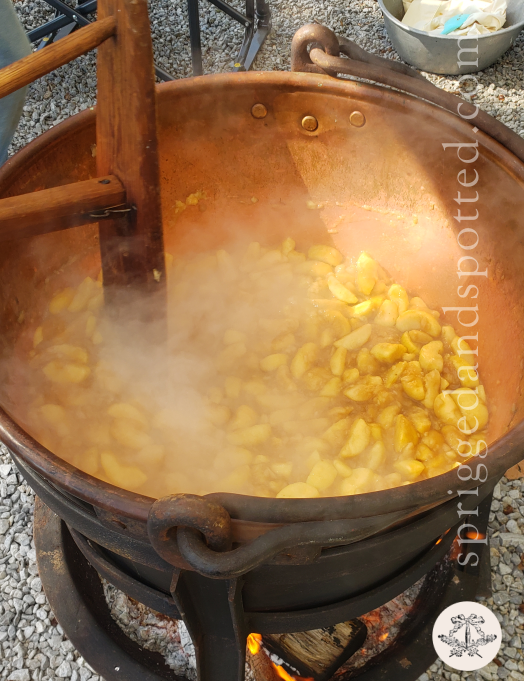
    In Part 1, we talked about the essence of the substance, what apple butter is and how it is made. Now, it’s time to look into where apple butter came from and how it remains relevant today. No matter where you begin, I welcome you to explore with me the down-home culinary delight that is apple butter.


    History of Apple Butter

    Where Does Apple Butter Originate?

    Like American sunbonnets, the history of apple butter can be challenging to research because of the homespun nature of the product. Families, like my own, have passed down the methods mostly informally from generation to generation. But, with some effort, we can find evidence of the roots of apple butter in humble, tucked-away places.

    (more…)
  • What is Apple Butter? Part 1: Ordinary Abundance & Comfort in a Jar

    What is Apple Butter? Part 1: Ordinary Abundance & Comfort in a Jar


    Apple Butter: My Family’s Beloved Historic Tradition

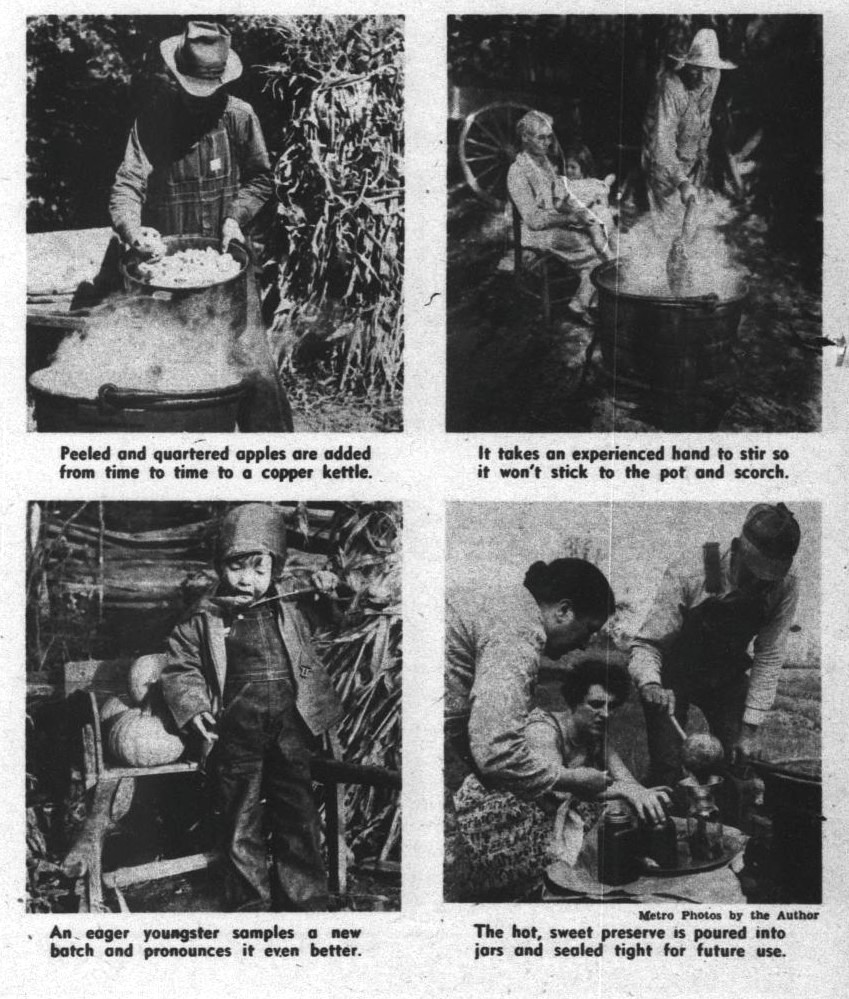
    I can speak with some authority on the subject of apple butter. I am part of the 5th generation (at minimum) in my family to carry on making the stuff the old fashioned way. My grandfather recorded memories of making apple butter with his grandmother in the 1930’s, and making apple butter the same way our ancestors have made it in centuries past is a prized part of my family’s culture. To me, apple butter is made gallons at a time in a copper kettle (a 2 ft or larger diameter pot) over an open fire using a 19th century style method which was conveyed by word of mouth until it was recorded on paper by my late grandmother in the 1990s.

    (more…)
  • The Art of the Pinking Iron: A Historic Object Study

    The Art of the Pinking Iron: A Historic Object Study

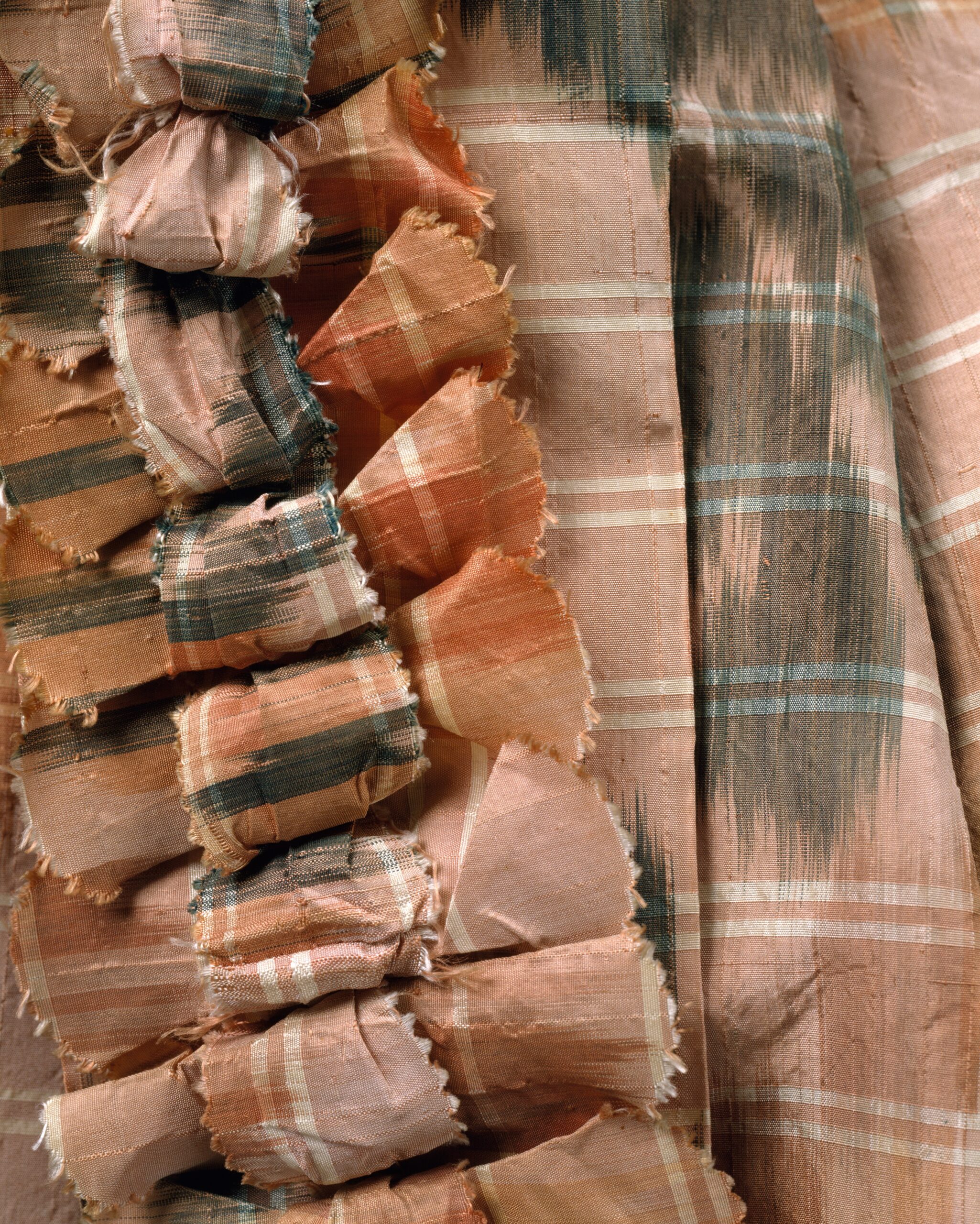
    An examination of pinking irons shows us how swings of a mallet can turn strips of cloth into beautiful adornments.

    Clothing is important to all of us.

    We all are keenly aware that apparel is not merely functional (protects our body), but serves as a vehicle for communicating with the world around us.

    What does your clothing say about your social class? What does it say about your awareness of style trends? What “words” does it use to communicate the message?

    Perhaps it’s the way the garment is cut, how it hangs on your frame. The condition of the fabric, whether shabby or pristine, can make an impression. Do your clothes create a silhouette that is also favored by influential people? Does it let you blend seamlessly in with the crowd? Can the item be washed over and over and remain in good shape, or does it require costly care and maintenance? How rare and laborious to make are the materials and embellishments?

    (more…)
  • Revival of a Treadle Sewing Machine – 1910s “Minnesota Model A” [Restoration and Use]

    Revival of a Treadle Sewing Machine – 1910s “Minnesota Model A” [Restoration and Use]

    The Magic of Man-powered Machinery

    Machine head of a 1910s treadle sewing machine. Restored, threaded, and used for sewing fabric in the 21st century.

    I try to remind myself to be grateful for modern conveniences. While I have been known to romanticize the past on occasion, there is something undeniably miraculous about watching the trail of stitches emanate from under the foot of a 110-year-old treadle driven sewing machine.

    I happily concede that electric motors, in their various applications, have spared humans an immeasurable quantity of proverbial elbow grease. In industrial settings, electric sewing machines increased production capacity many fold. On the other hand, for the casual home seamstress (or seamster), the addition of electricity traded some of the one-ness with their machine for a margin of efficiency. Only a few minutes might be shaved off for someone making one-of-a-kind garments compared to the hours saved by a factory worker sewing piles of identical seams assembly-line style. Anyone who has turned yardage of fabric into a unique finished wearable garment understands that much of the time spent “sewing” is actually dedicated to pressing, cutting, pinning, seam-ripping, and hand-finishing. Stitching under the foot of a sewing machine is but one part of the larger list of tasks.

    (more…)
  • Traditional Trades & Professions Quiz – Level 2 (Medium)

    Traditional Trades & Professions Quiz – Level 2 (Medium)

    Test your knowledge of slightly obscure historical trades and traditional vocations. “Level 2” features terminology which might be familiar to many English speakers, but many questions may stump you. Are you up to the task?

    (more…)