Author: KL

  • The Art of the Pinking Iron: A Historic Object Study

    The Art of the Pinking Iron: A Historic Object Study

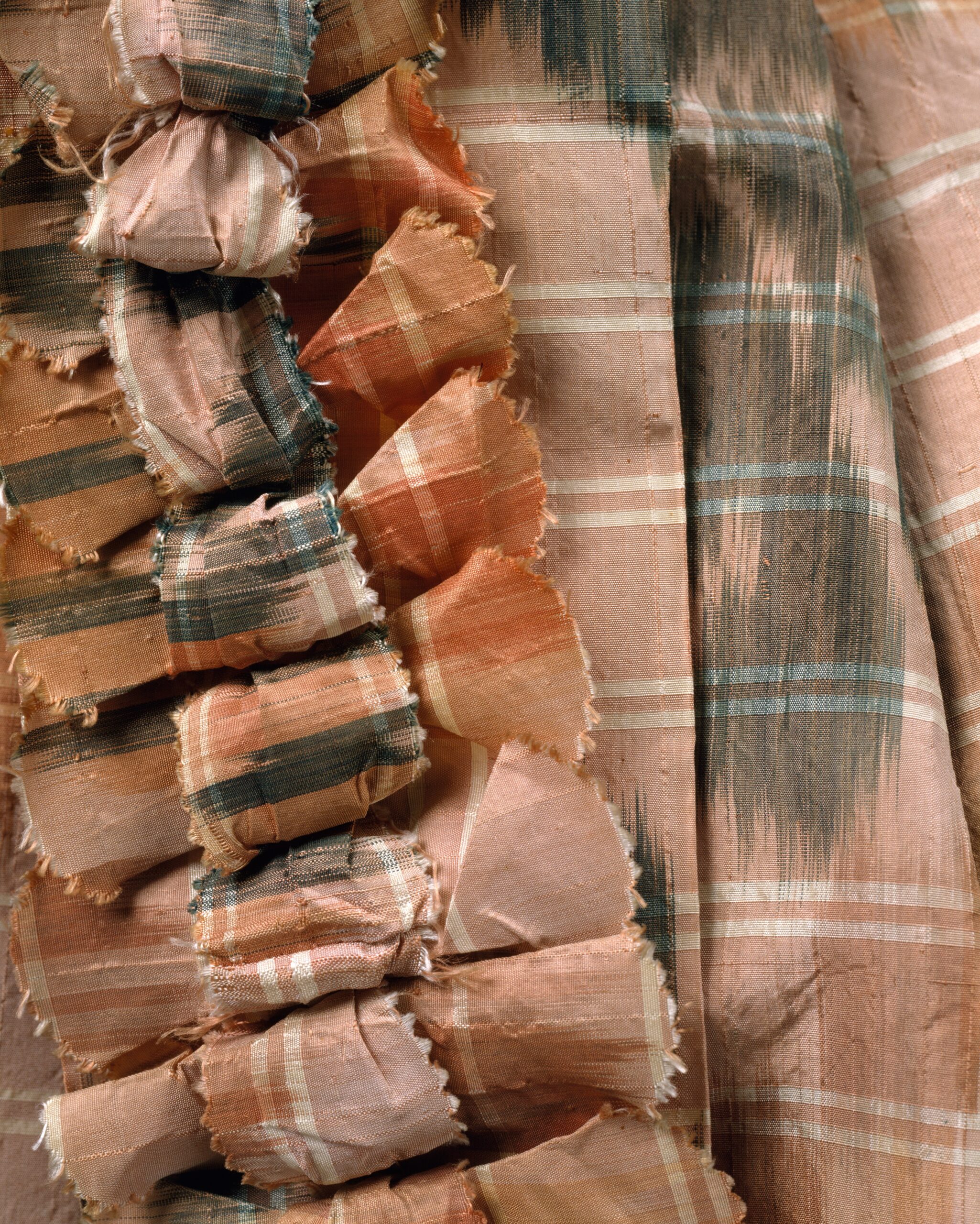
    An examination of pinking irons shows us how swings of a mallet can turn strips of cloth into beautiful adornments.

    Clothing is important to all of us.

    We all are keenly aware that apparel is not merely functional (protects our body), but serves as a vehicle for communicating with the world around us.

    What does your clothing say about your social class? What does it say about your awareness of style trends? What “words” does it use to communicate the message?

    Perhaps it’s the way the garment is cut, how it hangs on your frame. The condition of the fabric, whether shabby or pristine, can make an impression. Do your clothes create a silhouette that is also favored by influential people? Does it let you blend seamlessly in with the crowd? Can the item be washed over and over and remain in good shape, or does it require costly care and maintenance? How rare and laborious to make are the materials and embellishments?

    (more…)
  • Revival of a Treadle Sewing Machine – 1910s “Minnesota Model A” [Restoration and Use]

    Revival of a Treadle Sewing Machine – 1910s “Minnesota Model A” [Restoration and Use]

    The Magic of Man-powered Machinery

    Machine head of a 1910s treadle sewing machine. Restored, threaded, and used for sewing fabric in the 21st century.

    I try to remind myself to be grateful for modern conveniences. While I have been known to romanticize the past on occasion, there is something undeniably miraculous about watching the trail of stitches emanate from under the foot of a 110-year-old treadle driven sewing machine.

    I happily concede that electric motors, in their various applications, have spared humans an immeasurable quantity of proverbial elbow grease. In industrial settings, electric sewing machines increased production capacity many fold. On the other hand, for the casual home seamstress (or seamster), the addition of electricity traded some of the one-ness with their machine for a margin of efficiency. Only a few minutes might be shaved off for someone making one-of-a-kind garments compared to the hours saved by a factory worker sewing piles of identical seams assembly-line style. Anyone who has turned yardage of fabric into a unique finished wearable garment understands that much of the time spent “sewing” is actually dedicated to pressing, cutting, pinning, seam-ripping, and hand-finishing. Stitching under the foot of a sewing machine is but one part of the larger list of tasks.

    (more…)
  • Traditional Trades & Professions Quiz – Level 2 (Medium)

    Traditional Trades & Professions Quiz – Level 2 (Medium)

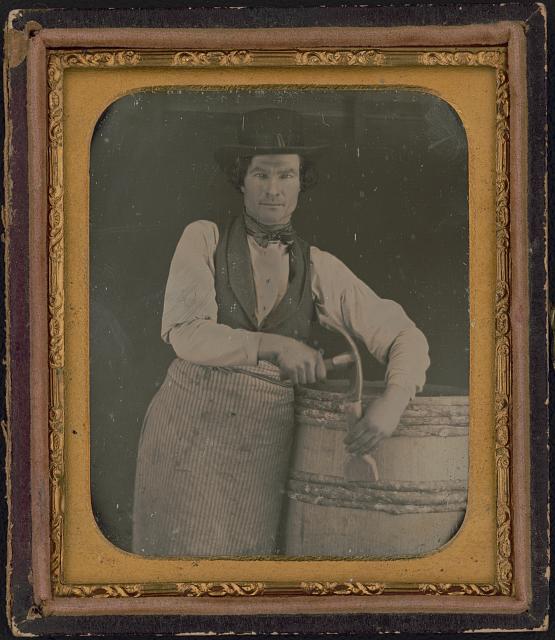
    Test your knowledge of slightly obscure historical trades and traditional vocations. “Level 2” features terminology which might be familiar to many English speakers, but many questions may stump you. Are you up to the task?

    (more…)
  • Dress Fabrics of the 1830’s, 1840’s and 1850’s: A Reference.

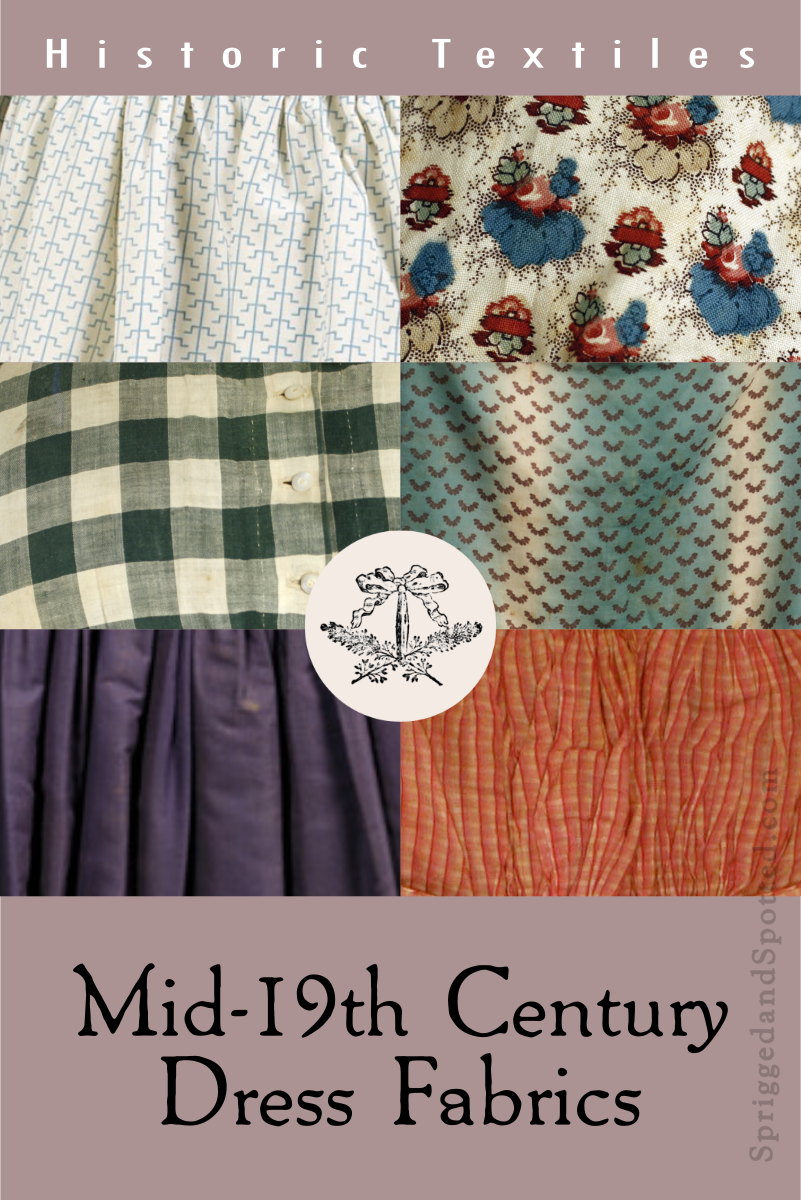
    Dress Fabrics of the 1830’s, 1840’s and 1850’s: A Reference.

    I enjoy sifting through museum collections online. It feels a bit like a treasure hunt and is way healthier than doom scrolling on social media. I’m grateful to the institutions who have made so much of their holdings available to members of the public like us. And, I want to share the gems and show them in context of other related items. In this case, I hope if you are trying to get an idea of textile trends in mid-19th century America, you will find this resource useful.


    Explore more 19th Century Clothing through Photography

    Though 19th century photographs could not document the vibrant colors of people’s clothing, we can learn a lot from the display of patterns, textures, and styles of construction as they were worn by real individuals. Browse my Pinterest board for interesting images of 19th century people.

    (more…)
  • Traditional Trades & Professions Quiz – Level 1 (Easy)

    Traditional Trades & Professions Quiz – Level 1 (Easy)

    Test your knowledge of historical trades and traditional jobs. “Level 1” features terminology which should be familiar to many English speakers, but some questions may still prove tricky. See how well you can do.

    (more…)